


Is a New Liver the Solution to Your Health Challenge?
In this blog, we will be discussing the miracle that is liver transplant. When the body’s most important filter (the liver) is damaged (by cirrhosis, cancer…) beyond repair, lifesaving options become limited. Have you been told that a liver transplant is your best or only option? The thought of having such a major operation can feel daunting but understanding The Liver Transplant Process is the first step to regaining your health.
- This process is a showcase of modern medicine at its most elite and takes place in a controlled environment with expert teams and physicians, a leading transplant surgeon Dr. Ushast Dhir, who help guide this process. The various steps of such a complex procedure can be summarized in step one and step two.
- Phase 1: Evaluation and Assessment
Interestingly enough, it doesn’t start in the operating room, it begins with an extensive assessment to determine if you are a suitable candidate. This multdisciplinary assessment process is important to set you up for the best possible outcome.
- * Multidisciplinary Team: A team of physicians which includes a transplant surgeon, hepatologist, anesthetist, and psychologist, is able to review your medical history.
- * Comprehensive Testing: This includes detailed blood tests and imaging (CT/MRI) as well as heart, lung, and nutrition assessments.The aim is to assess your liver failure (frequently through the MELD score) and to ensure that you are healthy enough to undergo major surgery.
- * Donor Assessment: If a living donor is a possibility (Living Donor Liver Transplant – LDLT), then an appropriate family member is assessed, as well, via multiple tests to ensure there won’t be any complications for them with the procedure and that they will be a good donor.
Phase 2: Donor Options and Matching
- When you have been approved for transplant surgery, the next crucial step is to identify a healthy liver.
- 1. Living Donor Liver Transplant (LDLT)
- This is almost always the better option when possible, mainly because it is a planned surgery.
- * Regenerate: The liver is unique and the only organ that regenerates. Healthy living donors can safely donate a portion of their liver (up to 60-70 %) without complications. The rooftop of the donor’s liver will regenerate to full size and function, as will the liver segment in the recipient.
- * Timeline: It means that there isn’t waiting on the national registry and the patient at least gets the transplant when it is time and when they are feeling healthy enough to undergo transplant surgery.
2. Deceased Donor Liver Transplant (DDLT)
- If they do not have a living donor, then the patient is placed on the national waiting list for a deceased donor (cadaveric) liver when it becomes available. Prioritization is based on medical necessity.
Phase 3: The Surgery and Dr. Dhir’s Expertise
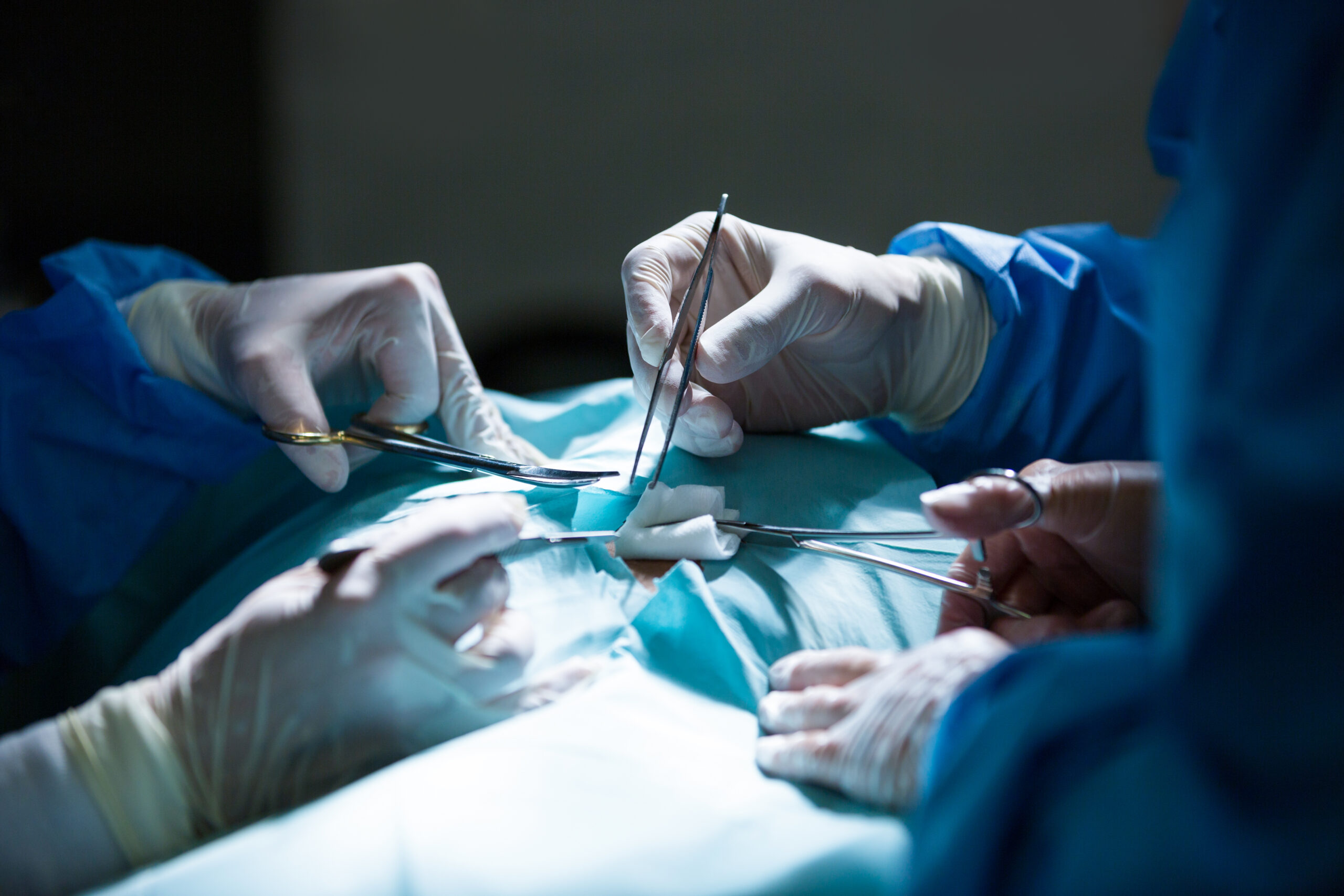
The actual transplant is a complicated operation that takes 5-8 hours and is often performed concurrently to the donor surgery in LDLT situations.
* Disconnection: The unhealthy liver is taken out very carefully. Removal is done through an incision in the upper abdominal area.
* Connection: Once the new, healthy, donor liver (or parts of liver) is set in place, the surgeon connects the blood vessels (portal vein and hepatic artery) and the bile duct so that all aspects of the new organ can work together. The expertise of a surgeon like Dr. Dhir, who has performed this https://www.pennmedicine.org/for-patients/patient-information/patient-education/transplant-patient-education-portal
surgery thousands of times, contributes to a reduction in complications and long-term success of the transplant.
Phase 4: Recovery and Long-Term Follow-Ups
Recovery is a lengthy process that occurs long after you leave the hospital.
* Initial Recovery: A patient typically depends on the amount of monitoring in the Intensive Care Unit (ICU) for several days, followed by 5-10 days in the general patient ward.
* Immunosuppression: Patients will have to take at least anti-rejection medication (i.e., immunosuppressants) daily for their entire lives to avoid rejecting this organ.
* Follow-ups: Monitor the function of your new liver with regular appointments and blood tests.
Final Thoughts
The liver transplant experience is very coordinated and technical—it requires engaged and participatory patients and well-trained providers. With the support of an exceptional provider, such as Dr. Ushast Dhir, patients with end-stage liver disease can approach this potentially life-saving process with confidence as they look forward to a healthy and restored life. Don’t let uncertainty be the reason you delay a vital life-changing decision. Understanding the liver transplant process is the needed first step towards restoring health. If you or a loved one is contemplating a liver transplant, you shouldn’t hesitate to reach out to an expert in the field. Contact Dr. Ushast Dhir today for a thorough assessment and to learn more about your options.