


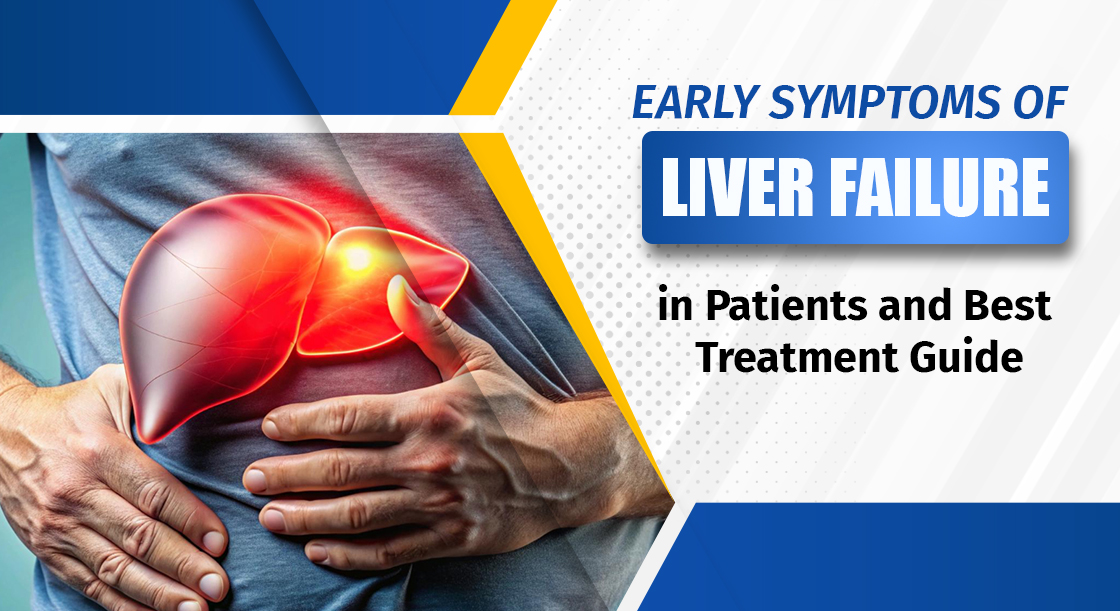
One of the most important organs in the human body, the liver produces bile for digestion, filters pollutants, and controls metabolism. The repercussions might be fatal if it starts to malfunction. Recognising Liver Failure Symptoms early can make a significant difference in patient outcomes. Whether the condition develops gradually (chronic) or rapidly (acute), understanding the warning signs is essential for timely intervention. The Acute Liver Failure Survival Rate improves dramatically when the condition is detected and treated promptly. This article outlines the most common Liver Failure Signs and the best treatment approaches available today.
5 Early Signs of Liver Failure
Constant Fatigue and Weakness
The first Liver Failure Symptoms which people tend to forget, are persistent fatigue combined with total body weakness. The liver loses its ability to process nutrients and filter blood toxins when its function becomes impaired. The body starts to build up dangerous substances which make patients experience extreme fatigue, mental confusion and physical debilitation. Patients describe their experience as a heavy burden which disrupts their ability to perform everyday activities. People who experience persistent fatigue with additional Liver Failure Signs should seek medical assistance immediately.
Digestive Discomfort
Digestive problems represent one of the common Liver Failure Signs, which patients tend to underestimate as stomach issues. The combination of nausea, vomiting, loss of appetite and abdominal pain should raise immediate warning signs. The liver produces bile, which serves as an essential component for fat digestion during the digestive process. The body loses its ability to digest food properly when liver function ceases because this vital process gets interrupted. The Liver Failure Symptoms will continue to deteriorate until the patient receives proper treatment for their medical condition.
Yellowing of the Eyes and Skin (Jaundice)
Jaundice serves as the most obvious of all Liver Failure Signs because it causes yellowing of the skin and eyes. The liver fails to process bilirubin, which is a yellow pigment that comes from normal red blood cell destruction. The yellow discolouration occurs when bilirubin builds up in the bloodstream and tissues. Jaundice develops together with itching skin, dark urine or clay-colored stools. This symptom is a serious indicator of liver dysfunction and requires immediate medical evaluation. The rate of jaundice development in acute cases directly determines the Acute Liver Failure Survival Rate; therefore, early detection becomes essential.
Swelling in the Lower Limbs
Patients who experience liver failure show multiple symptoms, which include oedema. The liver functions properly when it produces albumin, which is a protein that helps the body keep its fluid levels balanced. The body experiences fluid leakage from blood vessels when liver damage reduces albumin production. The affected areas show visible swelling, while touching produces painful sensations. The body develops severe swelling, which can reach the abdominal area. Patients who observe this symptom together with other Liver Failure Signs need to contact doctors immediately to understand liver transplant process because this symptom shows they have serious liver damage.
Changes in Urine and Stool
Patients should pay attention to visible colour changes found in their urine and stool because these changes serve as essential Liver Failure Symptoms. The presence of dark tea-colored urine shows that the body releases excess bilirubin through the kidneys, which indicates that liver function has failed to process the substance correctly. The body shows these symptoms as small changes, but they function as trustworthy indicators that show early Liver Failure Signs.
Best Treatment: Immediate Medical Intervention
The better treatment results when doctors detect Liver Failure Signs at an early stage and begin specific therapies for their patients. The Acute Liver Failure Survival Rate has seen significant improvement during the past several decades because of progress made in both intensive care treatment and organ transplantation procedures. The following list contains the main medical treatment methods that doctors use to treat patients.
Hospitalisation and Supportive Care: Patients with acute liver failure need to stay in intensive care units where their vital signs can be constantly monitored. The supportive care system aims to control complications that include bleeding, infections, kidney failure and fluid imbalances during the period of liver recovery or organ transplantation.
Liver Transplantation: Acute Liver Failure Survival Rate has become better because of transplants, which show more than 80% post-transplant survival rates in numerous medical centres throughout the world.
Conclusion
The early Liver Failure Signs must be understood because they will determine whether patients survive their condition or develop severe health problems. The Acute Liver Failure Survival Rate continues to improve because medical professionals now have better diagnostic tools and treatment methods, yet the most effective way to achieve positive patient outcomes is. The symptoms of liver failure that this article describes need immediate medical attention from healthcare providers. If you are looking for a prominent and highly specialised doctor to get your liver transplant done precisely, book your appointment with Dr Ushast Dhir. His immense years of experience and skills determine the success percentage.