


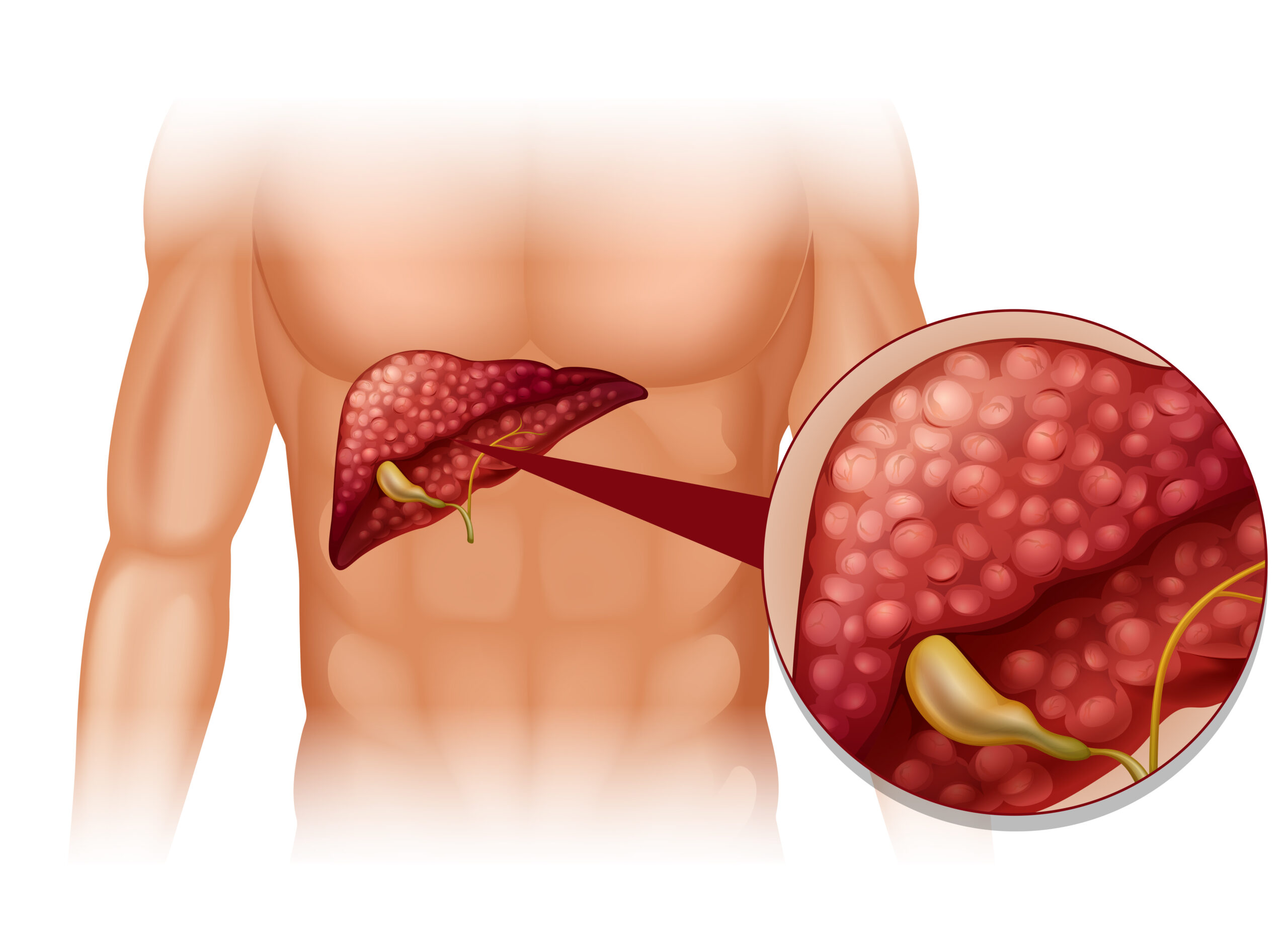
Did you recently have a physical examination and your physician told you that you had “fatty liver”? That diagnosis is becoming increasingly more common. Fatty liver disease just means that your liver cells have too much fat stored in them. A healthy liver should have very little fat in it. Fatty liver disease, which tends to be called non-alcoholic fatty liver disease (NAFLD), or metabolic dysfunction-associated steatotic liver disease (MASLD) is rising around the globe.
The one danger with fatty liver is that it’s very silent. Fatty liver disease rarely has noticeable symptoms in its early stages, however over a period of time, the excess fat can create inflammation and scarring, and eventually lead to a life-threatening cirrhosis. We want you to totally understand the causes, symptoms and vital risk factors so that you can start taking control of your liver health today.
I. What Causes Fat To Accumulate
Fatty liver disease happens when the body is out of balance. That is, the body is accumulating fat quicker than the liver is able to process and breakdown.
Lifestyle and Metabolic Causes
The overwhelming majority of causes for fatty liver are directly related to modern lifestyle and metabolic health.
* Obesity/Overweight Status. Excess body weight (especially fat in the abdominal area) is the number one risk factor for fatty liver disease because fat cells alter the normal metabolism of fat.
* Type 2 Diabetes and Insulin Resistance: When a person’s cells do not respond to insulin properly, a common side effect is fat accumulation in the liver. Diabetes and fatty liver disease often go hand in hand.
* Cholesterol and Triglyceride Levels: Abnormal lipids, especially elevated triglycerides, lead to fat deposits in the liver cells.
* Unhealthy Diet: A diet that is chronically high in sugar and refined carbohydrates, along with unhealthy saturated fats, overloads the liver.
Alcohol Consumption
Drinking excess alcohol can lead to Alcoholic Fatty Liver Disease (AFLD). This type is usually reversible with full cessation. Genetics can also play a role (a family history of either diabetes or liver disease can increase risk), and ironically, so can rapid weight loss due to crash dieting.
Recognizing Early and Advanced Symptoms
Many soft-tissue fatty liver patients may feel well at first. It is usually found as an incidental finding when a patient has an ultrasound, or not tested in general health check-up for elevated liver function tests.
Early and Non-Specific Symptoms
When symptoms do appear they are often mild and easily dismissed:
* Fatigue/ Weakness: Constant tiredness or lack of energy even for daily activities.
* Abdominal Discomfort: A vague sense of heaviness or discomfort, which can become somewhat symptomatic pain, in the upper right abdomen where the liver is located.
* General Malaise: A feeling of being slightly “under the weather” or sluggish.
Advanced Symptoms (Cirrhosis)
If you are on the path to liver disease and inflammation and scarring occurs, also known as cirrhosis, the symptoms will be more severe and require immediate medical care:
* Jaundice: Yellow skin and yellowing eyes.
* Ascites and Edema: Swelling in the belly, also known as ascites or swelling in the legs and ankles (edema) due to retention of fluid.
* Bruising: Bruising easily, as the liver is not secreting enough blood clotting factors.
* Mental Confusion: Trouble concentrating, having trouble remembering, or just feeling “out of it” which is often referred to as hepatic encephalopathy.
III. Prevention and Treatment
The good news is that for most individuals, fatty liver disease is reversible, especially when caught early. The first line of defense is always lifestyle.
Treatment and Prevention
* Lifestyle Change is Treatment: Fatty liver disease is a lifestyle disease, which means the first actual treatment involves making some significant lifestyle changes. This often means a balanced diet including both vegetables and whole grains.
* Healthy Weight: The best treatment for reversing fat in the liver is to lose weight in a healthy manner, maintaining a pace of no more than a total of one to two pounds each week in as safe of a manner as possible.
* Physical Activity: Augmenting your physical activity works to metabolize fats in your body and minimizes overall body fat, particularly in the abdominal region.
* Manage Underlying Conditions: You will want to aggressively control underlying risk factors such as Type 2 diabetes, high cholesterol, and high blood pressure with medication and lifestyle adjustments.
* Avoid Alcohol: Moderating or abstaining from drinking alcohol will help to ease the burden of toxins and fat accumulation in your liver.
Practices of specialists such as Dr. Ushast Dhir accentuate that if you have chronic conditions such as obesity or diabetes, it is critical to have regular screenings and management to mitigate the risk of the disease resulting in severe complications that may require complex intervention or even a transplant of the liver.
It is so critical that practices of specialists such as Dr. Ushast Dhir accentuate the importance of having regular screenings and management programs need for those who have chronic conditions (i.e., obesity or diabetes) if they want to avoid the disease progressing to serious complications that may require complex management or even transplant of the liver.
“Practices of specialists such as Dr. Ushast Dhir emphasize that having regular screenings and management is important. Ready to take charge of your lifestyle and protect your liver health? ➡️ Schedule a consultation with Dr. Ushast Dhir’s team to establish your personalized management plan today