


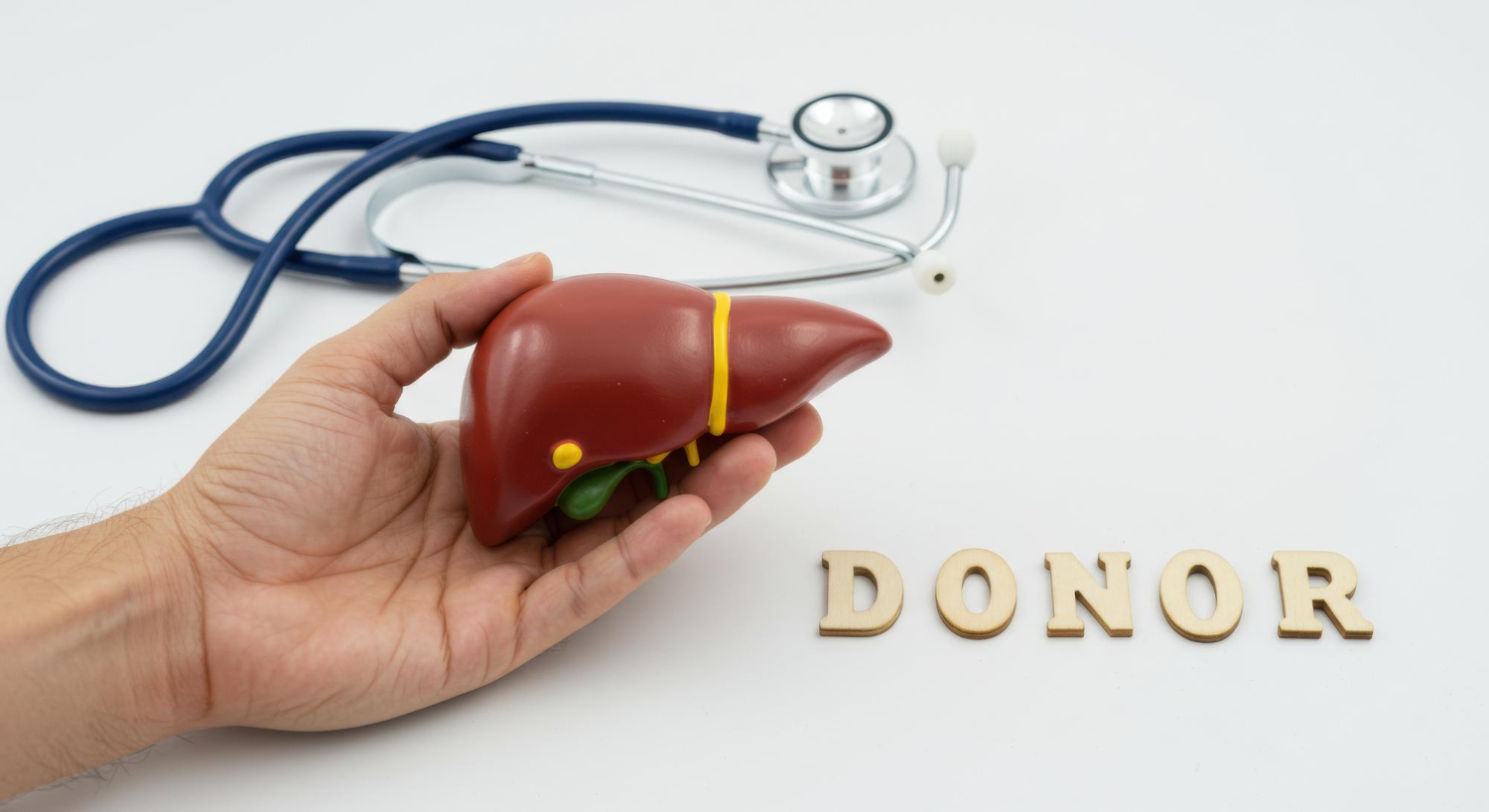
Do you know someone who is living with Liver Failure? Or are you worried which donor option may provide you or a family member the best chance for a hopeful outcome?
In simple terms, do you want to know which Donor is the best for you? Which Path is the Best for You?
This blog post will provide you with the highest level of direction and information about liver transplants.
If you want to know about liver transplant, feel free to read more blogs. Click here.
A liver transplant is a life-saving and imperative procedure. However, the decision about the source of the organ to be transplanted is a very important one. In most situations, patients have two options – a part of a healthy liver from a Living Donor (also called living donation or LDLT) or a whole liver from a Deceased Donor (also called deceased donation or DDLT).
Are you thinking about pursuing a transplant for you or a family member but unsure which way to turn? It is essential to be informed about the key differences between LDLT and DDLT before choosing. Let’s examine the advantages and disadvantages of both methods with the opinion of a very experienced professional in the field – Dr. Ushast Dhir.
1. Living Donor Liver Transplant (LDLT)
The liver is a unique organ because it is regenerative so the procedure of LDLT can take place. A healthy family member could potentially agree to donate a portion of their liver (up to 60-70% in India), and both the donor’s liver (the donated piece and the remaining part) will regenerate back to full size (assuming the donor remains healthy).
The advantages of living donor liver transplantation (LDLT) are:
* No waiting list: Quite simply, this is the most significant advantage. LDLT is a planned operation that eliminates the waiting list and uncertainty. It allows surgeons to perform the transplant before the patient becomes gravely ill and allows for improved outcomes.
* Best quality of organ: The donor is properly assessed and is a healthy donor meaning the organ is therefore of the best possible quality making for the best maximized liver graft quality.
* Shorter Ischemia Time: Each organ undergoes less deprivation of blood supply (the cold ischemic period) which means the organ usually is better due to this cold ischemic time being minimal.
Points to consider about LDLT:
* Risks to the Living Donor: While the risk is negligible (Dr Dhir’s unit has tremendous outcomes with both donors and recipients), there is a small risk involved with any surgical procedure for a healthy living donor.
* Finding a Suitable Donor: There needs to be a appropriate match who is healthy and willing to donate, typically a family member.
2. Deceased Donor Liver Transplant (DDLT)
Deceased Donor Liver Transplant (DDLT), or Cadaveric transplant, is getting a whole liver from a deceased individual who has been declared brain dead
Benefits of DDLT:
– The Whole Organ: The recipient receives a complete liver, which, given a favorable condition, makes the procedure easier on the surgeon.
– Sole Option for a Single Patient: For patients without suitable living donors, DDLT is the only option.
– Allocation Based on Sickest Patients: Patients receive allocation based on how sick they are (MELD score) which creates an opportunity, at best, for the sickest patients to see DDLT first.
Considerations for DDLT:
– The Wait List: The most challenging issue with DDLT is the unpredictable wait time and a chance during that wait for the patient to deteriorate or die before a donor organ becomes available.
– Care Quality of the Organ Varies: When screened, the deceased donor liver could have been in a state of damage or inefficiency for a period of time prior to procurement.
– Emergency Procedure: Most often, the transplant procedure is performed on an emergency basis meaning the recipient must be prepared from the time of offered organ to have it available.
Dr. Ushast Dhir is Knowledgeable in Both Types of Procedures
Deciding on LDLT versus DDLT can be complicated.
Dr. Ushast Dhir has worldwide training and experience in LDLT and DDLT, and is always happy to discuss your individual situation. His team will ensure that for the more urgent situations, such as acute liver failure, the consideration of both options can happen quickly.
With a high success rate, Dr. Dhir is able to determine the safest and most effective pathway for each patient, balancing the benefits of a “planned” LDLT versus an “emergent” DDLT situation.
Both, LDLT and DDLT can be effective life-saving procedures. LDLT can provide more predictability and potentially better long-term outcomes due to not going through the wait list, while DDLT is still a critical solution for patients without a living donor. Ultimately the decision will depend on the medical status of the patient, whether a living donor is available, and the assessment of a specialty team of transplant experts.
Next Steps
Do not leave your transplant decision to fate or prolonged uncertainty!
When you are a candidate for a liver transplant, timing and expert advice are one and the same. The team at Dr. Ushast Dhir is waiting to consult with you about all of your options, to determine if a Living Donor or Deceased Donor Liver Transplant is the best option to save your life.