


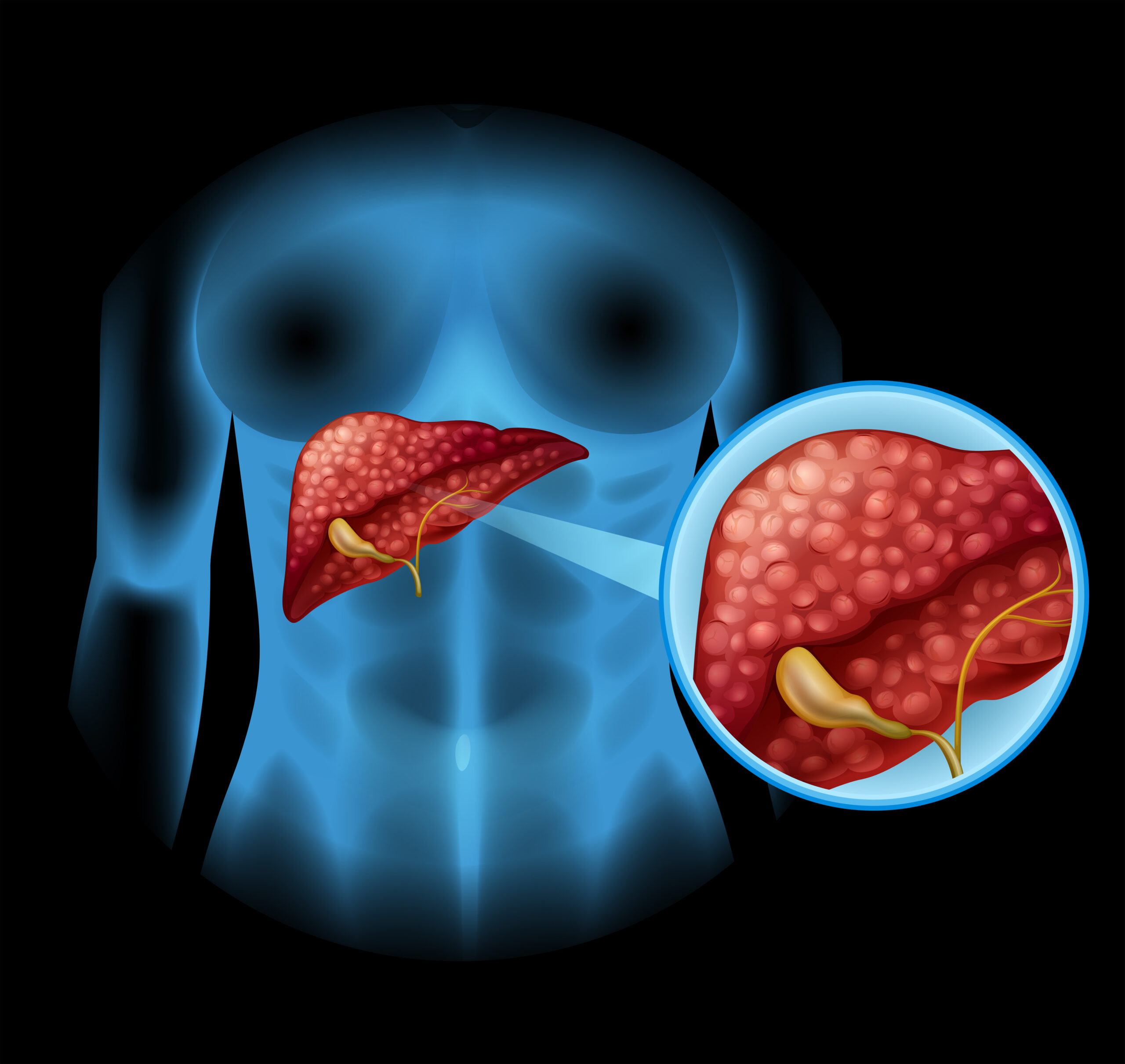
Is Your Liver Telling You It Needs a New Lease on Life?
Picture an organ that’s on the job around the clock, day in and day out, and you can be confident that it is performing 500+ essential jobs to keep you healthy. The liver. But what if the working organ begins to fail? When liver disease reaches an advanced stage of worsening health, a person’s life may feel uncertain and scary.
Are you or a loved one struggling with end stage liver disease or advanced liver disease (cirrhosis)? Are you asking yourself what the last, life-saving option might be? The answer is often a Liver Transplantation in the operative room. This life-saving, complex, transformative surgical process carries with it hope and a chance to restore health and ability. Let’s consider what this life-transforming surgery involves and the importance of having an experienced surgeon such as Dr. Ushast Dhir in this process.
What is a Liver Transplantation?
A liver transplantation is a surgical process where a person is placed under anesthesia and a diseased or failing liver is removed and replaced with a healthy liver or healthy part of a liver from a donor. Liver transplantation is reserved for patients with:
- End stage chronic liver disease (cirrhosis)
- Acute liver failure (sudden failure of a previously healthy liver)
- Certain types of liver cancer (Hepatocellular Carcinoma – HCC)
Approaches to donor options for liver transplants
There are two overarching ways to conduct a liver transplant:
- * Deceased Donor Liver Transplantation (DDLT): An operation in which a healthy liver, taken from a brain-dead donor, is transplanted all at once.
- * Living Donor Liver Transplant (LDLT): This is an amazing testament to how the liver is regeneratively powerful. A healthy donor (most often a family member) donates a portion of their liver (up to 60%). Over a few months, both the remaining portion of the donor’s liver, as well as the portion implanted in the recipient, will regenerate to the original size as well and with function.
The Surgical Journey: What Happens During Transplantation?
Liver transplantation is a long, complicated surgery usually lasting 5 to 8 hours divided into two main stage:
Stage 1: The diseased liver is removed (hepatectomy)
* The surgery is done under general anesthesia and the surgical team makes the incision across the upper abdomen.
* The surgeon carefully “dissects out” the diseased liver from the surrounding structures and its blood supply including the main vein to the heart (inferior vena cava).
* The gallbladder and the entire diseased liver are removed. This is done with precise skills to control blood flow and the very complicated anatomy involved.
Stage 2: The new liver is implanted.
* The donor liver is placed carefully into the recipient’s abdomen.
* The blood vessels (hepatic veins, portal vein, and hepatic artery) of the new liver are seamlessly connected to the vessels of the recipient. Restoring blood flow to the new organ is a momentous time in the operation.
* Finally, the bile duct of the new liver is connected to the bile duct of the recipient’s, allowing bile to drain effectively into the small intestine.
Why Expert Hands Matter: The Role of Dr. Ushast Dhir
When an operation is as complex and high-stakes as a Liver Transplant, the skill & experience of the surgeon is invaluable.
Dr. Ushast Dhir is a world-renowned expert, and he is currently the Director of the Department of Liver Transplantation and Hepato-Biliary Surgery at a world-class institution, Sir Ganga Ram Hospital in New Delhi. He has over 20 years of experience in performing:
* Over 1,500 independent successful Liver Transplants.
* More than 10,000 complex hepatobiliary surgeries.
Dr. Dhir’s international training in forefront centers in the USA and South Korea (including expertise in Advanced Laparoscopic and Robotic Surgery) guarantees that patients receive world-class care utilizing the most advanced surgical techniques for the best patient outcome. His vast experience is invaluable in the management of complex cases and to minimize surgical risk.
Post-Transplant Life
The operation is merely the beginning. There are a few avenues that patients must be involved in after recovery, including:
* Initial Hospitalization: A few days in the ICU for monitoring with an anticipated total hospitalization of up to a couple of weeks.
* Medication: Patients must take immunosuppressant (anti-rejection) medications daily for the rest of their lives, so their body does not reject their new liver.
* Follow-Up: Patients should have follow-up evaluations. With a successful Liver Transplant, patients should anticipate a significant quality-of-life improvement and be back to normal activity in a matter of weeks or months.
Conclusion
A Liver Transplant Surgery is an amazing medical endeavor, and it truly represents a second lease on life after all other options have been exhausted. There are non-medical factors in navigating this journey, and you need a highly-skilled expert, in addition to your surgical team, who can provide substantial comfort and reassurance. With experts like Dr. Ushast Dhir available, there is an opportunity to take on this challenging path again with hope.
Are you ready to consider a life-saving Liver Transplant?
Do not wait for your liver condition to worsen. Take the first step in improving your quality of life by seeking out care.
Call Dr. Ushast Dhir and his highly-skilled team today.
* Schedule Your Appointment: Get in touch with the Department of Liver Transplantation and Hepato-biliary Surgery at Sir Ganga Ram Hospital, New Delhi, for an appointment.